The Value of Choosing the Right Fillet Knife for Optimal Precision and Performance
Selecting the appropriate fillet blade is important for any person associated with the art of fish prep work. The right knife boosts both accuracy and effectiveness, permitting clean cuts and boosted fish presentation. Various kinds of fillet knives supply unique advantages, and understanding these can greatly affect the filleting process. The nuances of blade flexibility and handle design play an essential duty in achieving suitable results. What factors should one take into consideration when making this essential choice?
Comprehending the Anatomy of a Fillet Knife
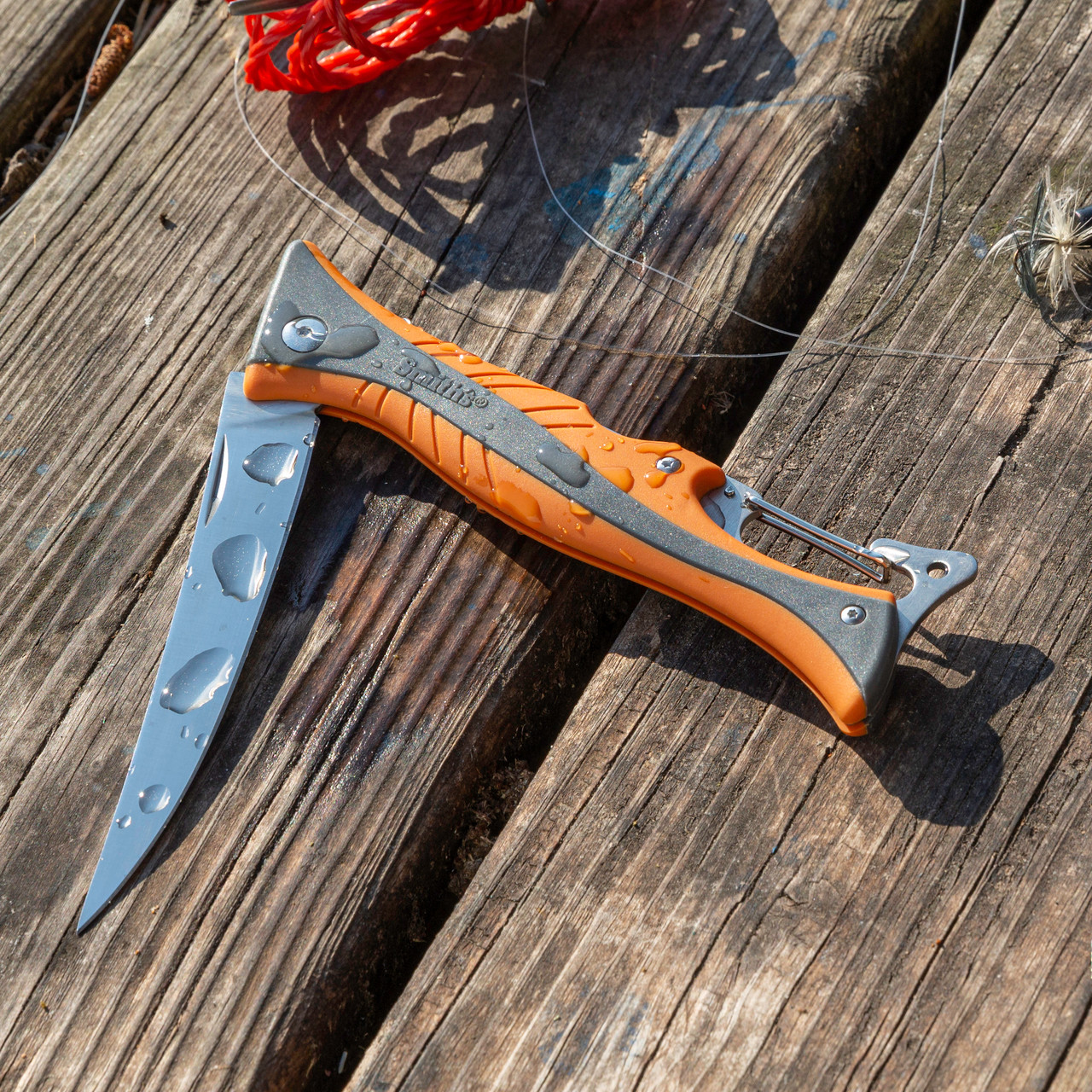
The fillet knife, a necessary tool for any fishermen, includes an one-of-a-kind design that sets it aside from other kitchen blades. Unlike standard knives, it boasts a long, versatile blade that enables complex navigating around bones and skin. This adaptability is important for attaining tidy, exact cuts, important when preparing fish. The blade's narrowness contributes to its agility, allowing users to browse the contours of the fish easily.
In addition, the manage is ergonomically made, providing a safe grasp that enhances control during filleting. Materials utilized in both the blade and handle vary, influencing durability and comfort. The combination of these elements warranties that the fillet blade is not simply a tool but an expansion of the fishermen's ability. Understanding the composition of a fillet blade is vital for maximizing its capacity, making sure that the individual can efficiently prepare their catch with precision and treatment.
Key Attributes to Seek in a Fillet Knife
When picking a fillet blade, numerous crucial attributes must be taken into consideration to guarantee excellent performance. Blade worldly top quality, manage comfort and grip, and the knife's flexibility and size are crucial elements that can substantially affect the filleting experience. Assessing these attributes will certainly direct individuals in making an educated choice.
Blade Product Quality
Picking a fillet knife with top quality blade product is important for attaining perfect performance and durability. Stainless steel is a popular option due to its deterioration resistance and capability to preserve a sharp edge, making it ideal for filleting fish in various conditions. High-carbon stainless-steel boosts edge retention and sharpness, making sure exact cuts. Additionally, some blades include finishings, such as titanium or ceramic, which can boost sturdiness and reduce friction throughout cutting. The density and adaptability of the blade additionally play a critical role; thinner blades enable even more delicate cuts, while stiffer blades supply stamina for larger fish. Eventually, purchasing a fillet blade with premium blade product can greatly enhance the performance and precision of the filleting process.
Take Care Of Comfort and Hold
A top quality blade is only part of the formula for an efficient fillet blade; deal with convenience and hold considerably affect customer experience and performance. A well-designed take care of should offer a safe and secure hold, enabling for precise control during filleting tasks. Ergonomically designed deals with can minimize hand exhaustion, allowing longer periods of usage without discomfort. Products such as rubber, soft plastic, or wood can improve grasp and protect against slipping, especially when damp. Additionally, the size and form of the handle need to fit conveniently in the customer's hand, accommodating numerous hand dimensions. A blade that really feels great in the hand not only boosts performance however also enhances safety, as a safe grip decreases the threat of mishaps during filleting.
Versatility and Length
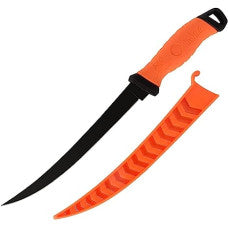
Adaptability and length are basic elements that considerably affect the performance of a fillet blade. An adaptable blade enables better maneuverability, making it less complicated to browse around bones and contours of the fish, which is vital for attaining clean cuts and optimizing yield. Alternatively, a stiffer blade may provide much better control for larger fish however can restrict skill.
Size additionally plays a substantial duty; longer blades are perfect for filleting bigger fish, while much shorter blades offer accuracy for smaller sized varieties - fillet knife. The selection in between adaptability and size inevitably depends upon the meant usage and the sort of fish being refined. Selecting the right mix guarantees optimal precision and efficiency, improving the general filleting experience
Different Types of Fillet Knives and Their Utilizes
Fillet knives can be found in various types, each developed for specific jobs in fish prep work. The typical fillet knife is characterized by its lengthy, slim blade, perfect for eliminating skin and bones from fish. A flexible fillet knife enables intricate cuts, making it appropriate for fragile fish like trout. Alternatively, a rigid fillet knife supplies even more control, making it efficient for larger types such as salmon or tuna.
There are also electrical fillet knives that assist in fast and reliable filleting, specifically useful for those refining large amounts of fish. Additionally, some fillet blades feature specialized layouts, like bent blades for even more precise cuts along the fish's shapes. Ultimately, picking the suitable kind of fillet knife is necessary for accomplishing the ideal outcomes, making certain the fish is prepared precisely and effectively, therefore enhancing the total cooking experience.
The Relevance of Blade Flexibility and Intensity
When preparing fish, the relevance of blade adaptability and sharpness can not be overstated. A fillet knife with the right quantity of versatility permits greater maneuverability, making it possible for the customer to navigate around bones and skin easily. This versatility is vital for accomplishing clean, accurate cuts, which enhances the total presentation of the filleted fish.
Intensity is equally vital; a well-honed blade reduces the effort called for during filleting. A sharp knife glides through flesh efficiently, lessening tearing and guaranteeing a more consistent cut. This not just boosts the quality of the fillet yet additionally boosts safety and security, as less pressure is needed to puncture the fish.
Buying a high-grade fillet blade that balances both flexibility and intensity is necessary for any kind of cook or fishermen. The ideal knife greatly boosts efficiency, making the filleting procedure quicker and much more satisfying.
Exactly How Handle Layout Impacts Control and Comfort
The design of a fillet knife handle substantially influences both control and comfort during usage - fillet knife. Factors such as grip product, ergonomic form, and manage length play crucial duties in ensuring a protected and comfortable hold. Recognizing these components can help individuals select a knife that improves their filleting experience
Grip Material Effect
Selecting the right hold material is necessary for attaining suitable control and convenience while making use of a fillet blade. The material of the deal with significantly influences the customer's ability to keep a safe hold, specifically in damp conditions. Usual products include rubber, plastic, timber, and composite alternatives. Each deals unique appearances and levels of tackiness, influencing exactly how the knife really feels in hand. Rubber offers exceptional hold and shock absorption, while timber uses a traditional aesthetic yet might do not have moisture resistance. Plastic can be lightweight but may not give the same tactile feedback. Ultimately, the picked grip product affects not just the user's comfort during prolonged usage yet also their total precision when performing delicate filleting tasks.
Ergonomic Forming Advantages

Deal With Length Considerations
While picking a fillet knife, handle size plays an important duty in influencing both control and comfort throughout usage. A much longer take care of can provide boosted take advantage of, enabling more forceful cuts, which can be useful for bigger fish. It may sacrifice look here precision, specifically in limited areas. On the other hand, a much shorter deal with enhances maneuverability, allowing finer, detailed work, making it excellent for detailed filleting jobs. The layout has to likewise think about individual grasp-- if the deal with is as well short for one's hand dimension, it may bring about discomfort and tiredness. Ultimately, the right take care of size relies on individual preferences and the particular jobs at hand, ensuring the customer can maintain peak control without jeopardizing comfort during prolonged usage.
Maintenance Tips for Durability and Efficiency
To assure a fillet blade continues to be effective and resilient, proper maintenance is essential. Routine cleaning is essential; the blade ought to be washed with warm, soapy water quickly after use to stop corrosion and residue build-up. It is suggested to dry out the blade extensively with a soft cloth to prevent dampness retention. Additionally, developing the blade frequently helps maintain its sharpness and performance. Refining or making use of a whetstone pole can guarantee the side continues to be accurate for effective filleting.
Storage space plays an essential role in maintenance; a blade sheath or magnetic strip can shield the blade from damages and dulling. Avoid saving the knife in a cabinet together with other tools, as this might bring about scratches or nicks. best fillet knife for saltwater fish. Routine professional sharpening can boost longevity, guaranteeing the knife carries out at its best over time. With these upkeep techniques, one can enjoy a high-performing and dependable fillet knife for many years ahead
Enhancing Your Filleting Method With the Right Blade
Choosing the suitable fillet knife can considerably improve one's filleting method, as the appropriate device influences accuracy and efficiency. A well-balanced blade with an adaptable blade enables smooth, precise cuts along the fish's contours, decreasing the risk of tearing the flesh. The blade's sharpness is just as important; a sharp side reduces initiative, enabling cleaner cuts and protecting the top quality of the fillet.
Moreover, the take care of's comfort and grip are essential for preserving control during the procedure. A knife that fits well in the hand lowers exhaustion, allowing the user to focus on strategy instead than discomfort. Different fish varieties may need varying blade sizes and widths, better highlighting the importance of picking a blade customized to particular demands. Eventually, spending in the best fillet knife not just enhances technique however additionally enhances the overall experience of filleting, resulting in better outcomes and increased complete satisfaction.
Frequently Asked Inquiries
Can I Make Use Of a Fillet Blade for Various Other Sorts Of Fish Prep Work?
A fillet knife can indeed be utilized for various other kinds of fish prep work, such as cutting or skinning. Its specialized layout might not give ideal outcomes for jobs far better suited to other knife types.
What Is the Best Brand for Fillet Knives?
Several fanatics suggest brand names like Rapala, Dexter-Russell, and Wüsthof for fillet knives. These brands are praised for their high quality, resilience, and accuracy, making them prominent options amongst both newbie and skilled fish preparers.
Exactly how Typically Should I Hone My Fillet Blade?
A fillet knife ought to click for more info be honed consistently, preferably after every few usages, or whenever it really feels plain. Keeping a sharp side warranties specific and reliable cuts, enhancing the general filleting experience for the customer.
Is a High Price Indicative of a Better Fillet Knife?
A high cost might recommend much better products and workmanship, however it does not guarantee premium efficiency. Evaluating functions, customer testimonials, and brand name credibility is crucial for discerning quality past simply the rate tag.
Are Electric Fillet Knives Well Worth the Financial Investment?
Electric fillet knives can be worth the financial investment for those that focus on speed and simplicity of usage. They commonly supply regular results and minimize exhaustion, making them optimal for frequent fish processing and larger amounts.
The fillet blade, a vital device for any kind of angler, features a distinct style that establishes it apart from other cooking area blades. A top quality blade is only part of the formula for a reliable fillet blade; take care of comfort and hold considerably influence user experience and efficiency. The typical fillet knife is identified by its long, slim blade, perfect for eliminating skin and bones from fish. Additionally, some fillet blades feature specialized styles, like curved blades for more exact cuts along the fish's contours. Choosing the appropriate fillet blade can considerably boost one's filleting method, as the ideal device influences precision and performance.
Comments on “The Role of a fish knife in Efficient Fish Processing”